Planning a kitchen renovation or upgrading your home’s storage? One of the first questions most homeowners ask is
“How much do modular cabinets cost in the Philippines?”
The answer isn’t always straightforward. Unlike ready-made furniture, modular cabinets are custom-designed to fit your space, lifestyle, and design preferences. The final investment depends on several factors, including the size of your project, materials, hardware, finishes, and level of customization.
In this guide, we’ll explain what affects the cost of modular cabinetry and how you can plan your budget more effectively.
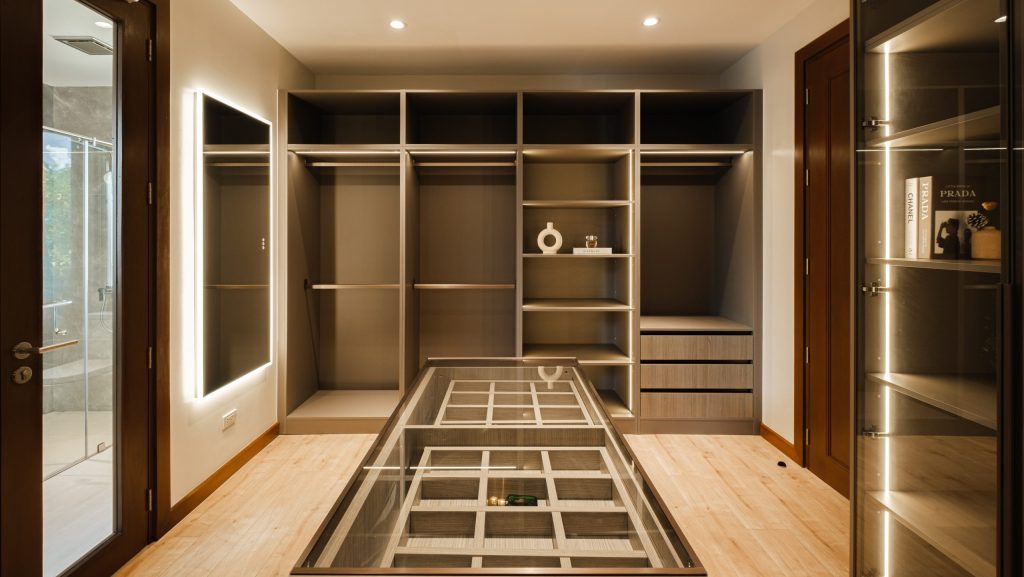
Custom Walk-in Closet by CxF Design Center
What Are Modular Cabinets?
Modular cabinets are custom-built storage solutions that are manufactured in a factory before being professionally installed on-site. Each cabinet is designed to fit the exact dimensions of your home, offering a cleaner finish, better quality control, and more efficient installation than traditional on-site carpentry.
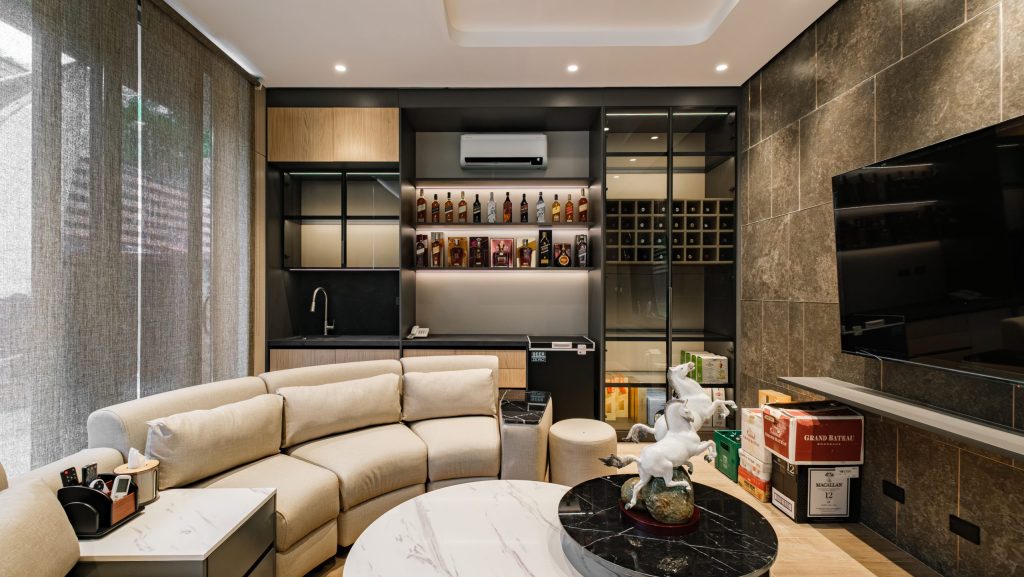
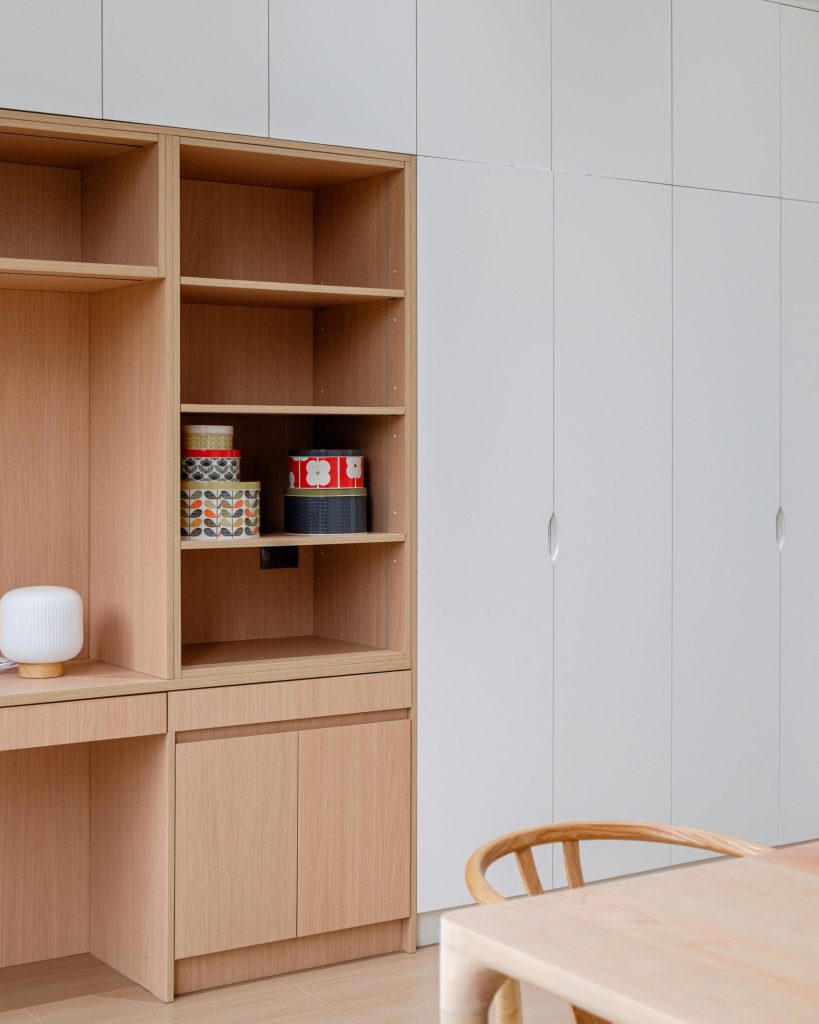
From kitchens and wardrobes to entertainment units and home offices, modular cabinetry allows homeowners to achieve a cohesive and functional interior tailored to their needs.
What Affects the Cost of Modular Cabinets?
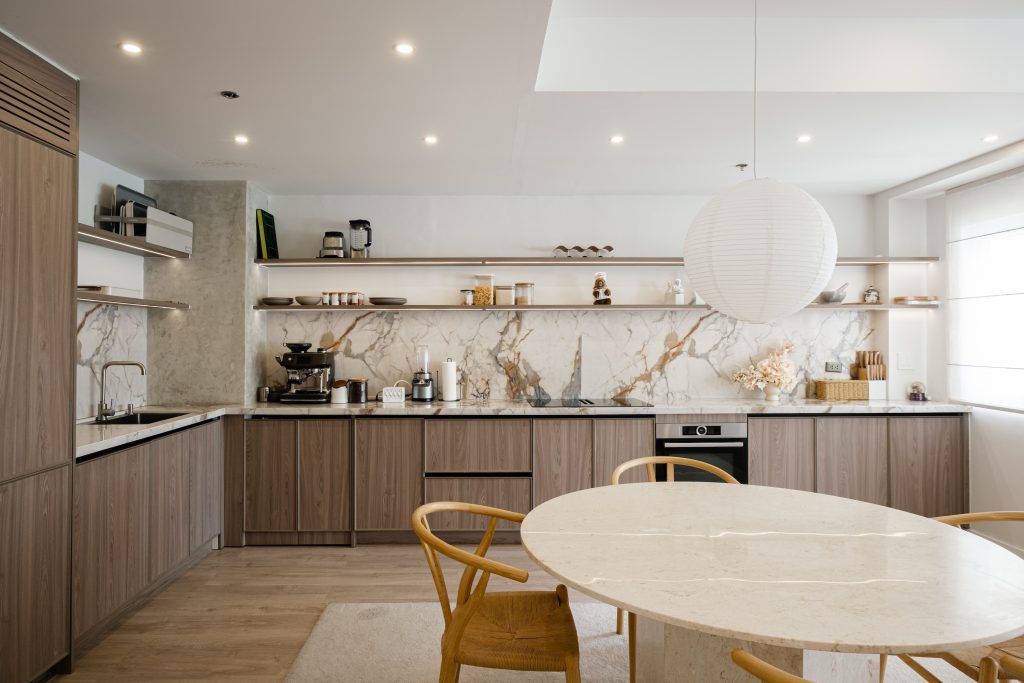
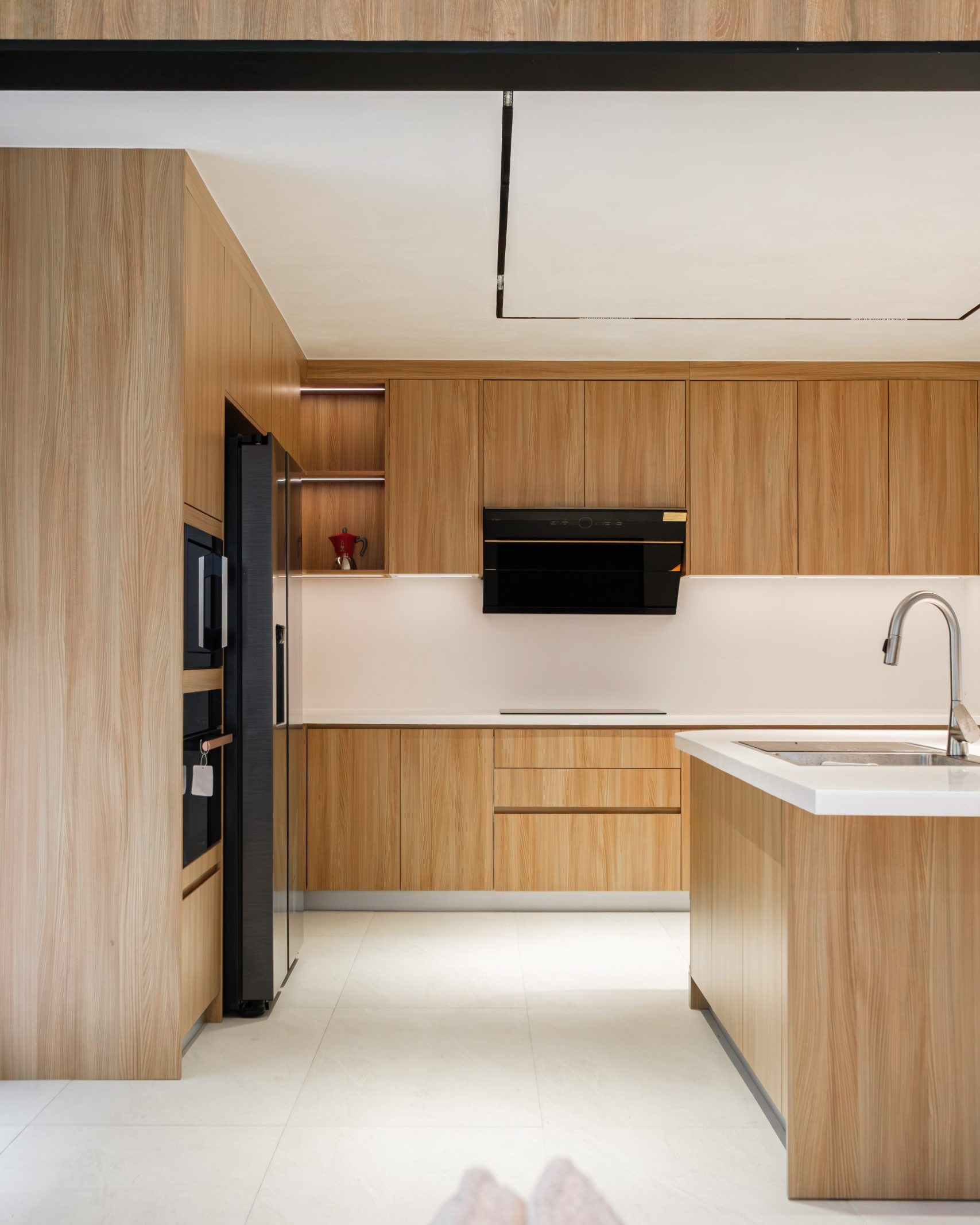
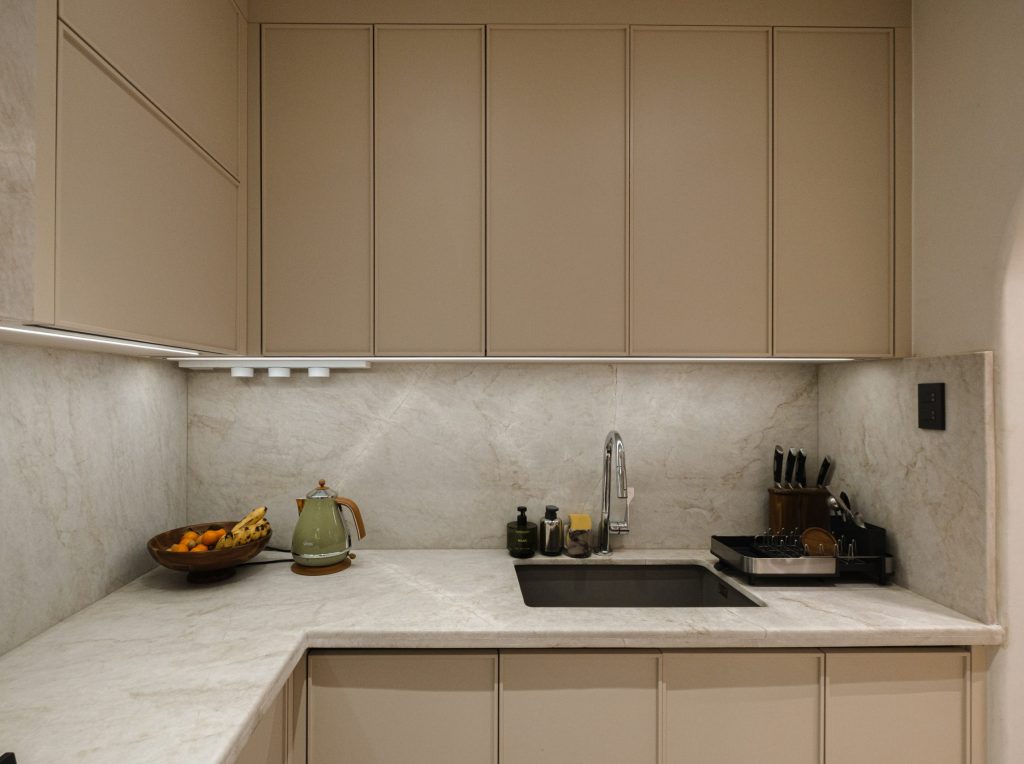
Custom Kitchen by CxF Design Center
1. Size of the Project
Naturally, larger spaces require more cabinetry, materials, and hardware.
Examples include:
Compact condominium kitchens
Standard family kitchens
Large kitchens with islands
Walk-in wardrobes
Entertainment units
Home offices
Pantry cabinets
The more storage and customization required, the higher the overall cost.
Stainless Steel Carcass
2. Cabinet Materials
The material used for your cabinets plays a major role in durability and pricing.
Common options include:
Moisture-resistant boards
High Moisture Resistant (HMR) boards
Marine plywood
Stainless Steel
Premium engineered panels
Each material offers different benefits depending on your home’s environment and intended use. Areas exposed to moisture, such as kitchens and bathrooms, typically benefit from more moisture-resistant materials.
Melamine Shaker Door
Fluted Door
Glass Door
Melamine Finish
3. Cabinet Finish
The finish dramatically changes both the appearance and price of your cabinetry.
Popular finishes include:
Melamine
Lacquer
UV Lacquer
Wood Veneer
Glass
Each offers a different balance of aesthetics, durability, maintenance, and cost.
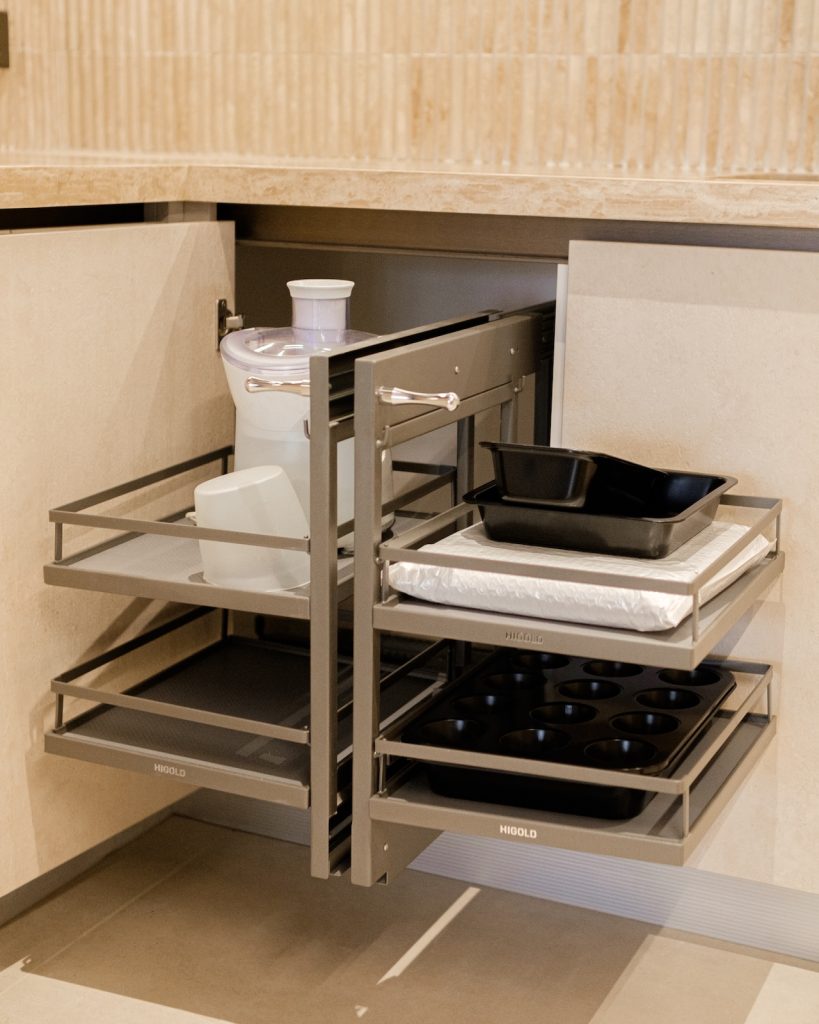
Corner Storage System
4. Hardware and Accessories
Cabinet hardware is one area where quality makes a noticeable difference over time.
Premium hardware often includes:
Soft-close hinges
Soft-close drawer systems
Pull-out pantry organizers
Corner storage systems
Cutlery organizers
Pull-out waste bins
Lift-up cabinet mechanisms
While these upgrades increase the initial investment, they significantly improve everyday usability and long-term durability.
5. Countertops
If you’re renovating your kitchen, the countertop is another important consideration.
Popular choices include:
Quartz
Sintered stone
Solid surface
The material, thickness, edge profile, and fabrication requirements all affect the final cost.
6. Design Complexity
Simple layouts are generally more cost-effective than highly customized designs.
Features that may increase costs include:
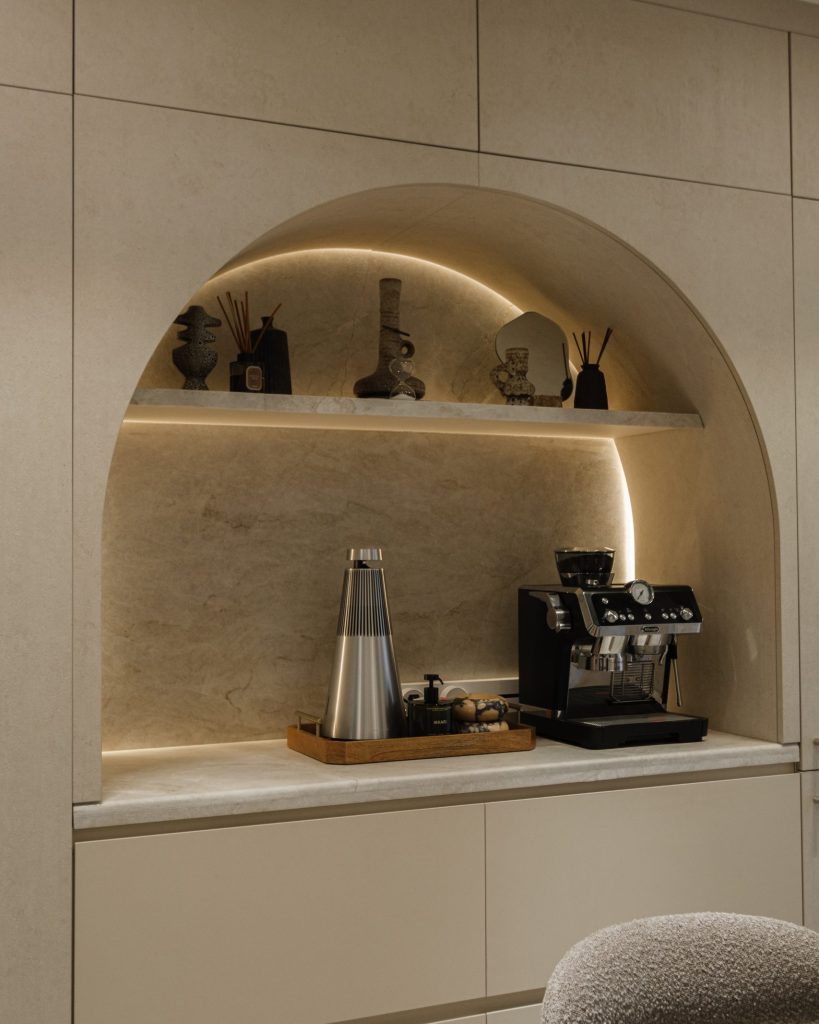
Curved cabinetry
Fluted panels
Glass display cabinets
Integrated lighting
Hidden storage solutions
Appliance integration
Ceiling-height cabinetry
Custom details require additional planning, manufacturing precision, and installation time.
Why Two Kitchens of the Same Size Can Have Very Different Prices?
This is one of the most common misconceptions among homeowners.
Imagine two kitchens with identical floor areas.
The first uses standard laminate finishes and basic soft-close hardware.
The second includes:
Premium acrylic finishes
Imported hardware
Quartz countertops
Pull-out pantry systems
Integrated lighting
Custom appliance housing
Glass display cabinets
Although both kitchens occupy the same space, the second will naturally require a larger investment due to the higher-quality materials and added functionality. This is why comparing projects based solely on floor area can be misleading.
How to Get the Best Value for Your Budget?
Rather than choosing the lowest quotation, consider the long-term value of your investment.
Here are a few practical tips:
Invest in quality hardware, as these are the most frequently used components.
Choose materials appropriate for the environment, especially in kitchens and bathrooms.
Maximize storage through thoughtful planning instead of simply increasing cabinet quantity.
Work with experienced designers who can recommend practical layouts and avoid costly mistakes.
Ask about warranties, after-sales service, and installation support.
Well-designed cabinetry should serve your home for many years—not just look good on turnover day.
Price is only one part of the decision.
When selecting a supplier, consider:
Portfolio of completed projects
Quality of materials
Manufacturing capability
Design expertise
Installation experience
Warranty coverage
After-sales service
Customer reviews
A reputable supplier should guide you through the entire process—from design consultation and material selection to manufacturing and installation.
Modular cabinetry is more than just storage—it’s an investment in how your home functions every day.
By understanding what influences pricing, you can make informed decisions that balance design, durability, and budget. Whether you’re renovating a compact condominium or building your dream family home, choosing the right materials and an experienced supplier will help ensure results that you’ll enjoy for years to come.
If you’re planning a kitchen, wardrobe, entertainment unit, or other custom cabinetry, consulting with an experienced design team early in the process can help you maximize your space and avoid costly revisions later.